Lobitos is named after its sea lions, lobos marinos in Spanish, which shared the fishing grounds with the village's fishermen. Sea lions treat the oil platforms offshore as a playground.
An oil town turned surf town (Surf history · 1900): Lobitos was built around 1900 as the camp of a British oil company, Lobitos Oilfields. Peru nationalised its oil after the 1968 military coup, the town became a military base, and surfers began arriving in the early 2000s.
Waves protected by law (Did you know?): Three waves at Lobitos, called Baterías, Lobitos and Piscinas, are protected under Peruvian law by a resolution signed on 14 December 2017: nothing may be built that would change the way they break.
A champion wins at home (Surf history · 2009): In November 2009 the women's World Tour stopped at Lobitos. Peru's Sofía Mulánovich, world champion in 2004, beat Stephanie Gilmore in the final in front of a loud home crowd.
La Casona on the hill (Worth a stop: La Casona de Lobitos): La Casona, on a hill above the pier, was built by the British early in the 20th century as the oil company manager's house. Later the home of senior military officers, it became a hostel with wide sea views.
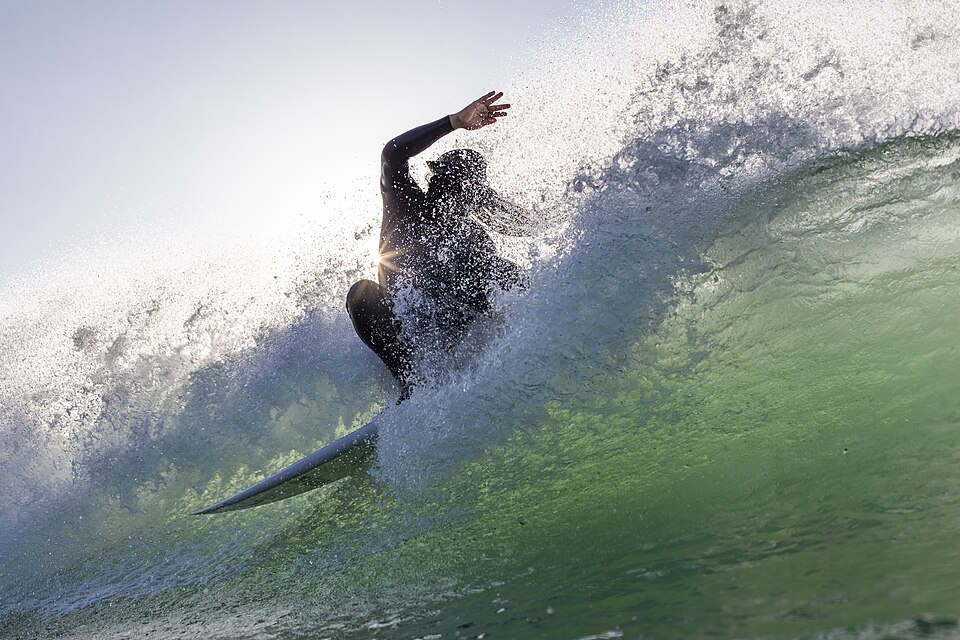
Seven waves in 5 kilometres (Did you know?): A 2020 study of surf tourism counted at least seven surf spots along less than 5 kilometres of beach at Lobitos. The biggest swells arrive in the southern winter, from June to October.
The old oil camp (Worth a stop: The old oil camp): Old Lobitos is what is left of the British oil camp built around 1900: streets of pine buildings ravaged by time, most houses stripped for their wood. Peru's National Institute of Culture declared the ensemble cultural heritage in 2008.